Culture is an integral part of our lives and can be found in every corner of the world. Our own culture reflects our identity, values,…
Human Resources
Human resources management is a critical function for any organization as the right people in the right place can make a huge difference. All HR related articles are covered this category.
e-HRM – Definition, Types, Role and Advantages

What is e-HRM? e-HRM is the use of ICTs (Information and Communication Technologies) by HR departments and HR professionals to perform their roles in a…
What Is a Demotion? Definition, Meaning, Types and Process

What Is a Demotion? Definition: A demotion is a company’s (or sometimes an employee’s) decision to lower an employee’s status, title, and (often) salary or…
Progressive Discipline – Definition, Importance and Steps

Progressive discipline can be defined as a method used in the workplace environment to correct or improve employees’ work performance or their behavior-related issues at…
Benefits in Kind – Types, Methods, Values and Examples

What are Benefits in Kind? Definition: Benefits in kind are defined as different types of non-cash benefits of monetary value that employers offer to their…
Gross Salary – Definition, Components and Calculation

What is Gross Salary? Definition: Gross salary is the total amount of money that is given to an employee as salary or wages before any…
Human Capital Management – Definition, Meaning, Functions, and Benefits

Human capital management is a process of hiring, retaining, managing, training, and upgrading the skills of the workforce for the growth and development of an…
360-Degree Feedback – Definition, Meaning, Benefits and Weaknesses

360-degree feedback is a process to collect feedback from several sources like the supervisor, colleague or juniors of an employee along with the customers, vendors,…
What is Job Orientation? (with Purpose & Preparation)

Curious about what is job orientation? Want to know why new employees go through Employee Orientation Program? Then the first thing you need to understand…
What is Gross Misconduct? Definition and Examples

Gross misconduct refers to an act that is so grave that it results in the instant dismissal of the employee in the organization and that…
7 Steps to Create Strategic HRM (Human Resource Management)
Strategic HRM or Strategic Human Resource Management is a process of attracting talent and then retaining, rewarding, and developing them so that at the end…
The Complete Guide to Employee Engagement Strategy
Employees are one of the essential resources of an organization. Companies spend a lot in the recruitment, hiring, and training process of their employees. Therefore,…
Attrition: Definition, Working, Types, Pros and Cons

As a workforce, talent, or human resource management process, attrition revolves around the deliberate downsizing of the workforce or employees via retirement, resignation, sickness, or…
What is Culture? Types and Characteristics

Definition Culture is a broad term that refers to social norms and behaviour prevalent in human society. It also includes acquiring customs, beliefs, values, symbols,…
What is a Work Portfolio and How to Build one?

Definition: Work portfolio is the most effective medium via which you can show your skills and expertise to potential employers and convince them why you…
What are Professional Ethics? Examples and Types
Professional Ethics are the guiding principles that are to be followed by or expected to be followed by the people in that profession. These principles…
What is Idle Time? Types, Causes, Control and Analysis

Idle time is defined as the unproductive time of either the machines or the employees that is caused by the management because of factors that…
Absence Management – Definition, Objectives and Benefits

What is absence management? Absence management is a program that is designed to control the absenteeism of employees in an organization. Employees of an organization…
9 Strategies To Manage Poor Performance

Performance and productivity are interlinked and interdependent as the former leads to the latter. Organizations pour a large amount of money, time and effort in…
10 Steps of a Meaningful Self Evaluation to Increase Performance

As appraisals are right around the corner, your company might be asking you to fill in the self-evaluation form. Self-evaluation is one of the best…
What is Statement of Work? Meaning, Format, Tips & Other Details

A statement of work or sow is an integral part of contract and project management that guarantees completion of project work as per the set…
Why is Work Life Balance Incredibly Important in Todays world?

Work-life balance is a term that signifies a perfect balance between personal and professional life in a way that one does not infringe on the…
Performance Management: Meaning, Objectives, and Benefits
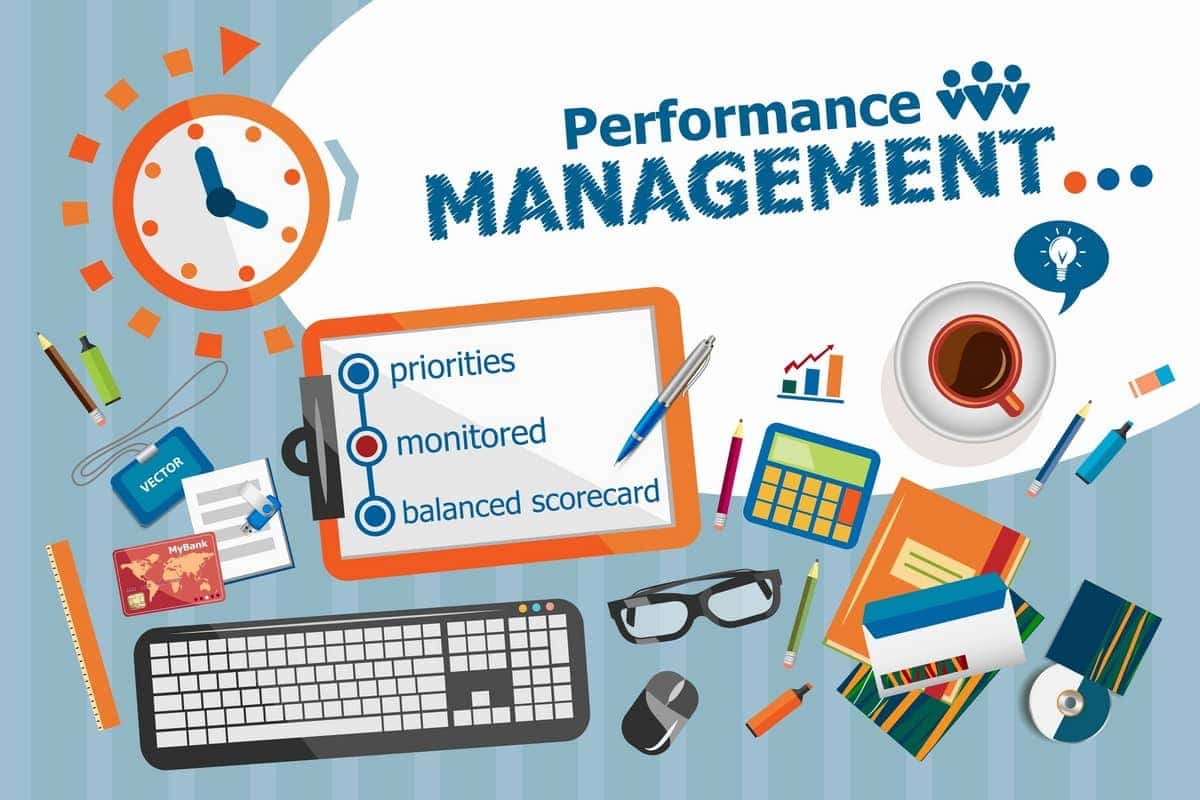
The role of Human Resource (HR) department in any organization has moved to new standards over the past few years. The focus of the department…
Diversity in the Workplace: Benefit and Importance Explained

With the changing times and eras of the business and the corporate world, the companies are going global, expanding their horizons. As more and more…
15 Features of Culture and the Meaning of Culture

Culture is defined in various ways by various sociologist and anthropologists. Here are a few definitions of culture. E.S. Bogardus defines culture as “A way…
Job Evaluation: Meaning, Objectives, Features, Methods, and Limitations

Job evaluation is an approach to determine the worth of one specific job about other positions in a company and even across an industry. The…
What Is Employee Onboarding? Importance Of Employee Onboarding

Employee Onboarding can be understood as a mechanism that enables new employees to comprehend, acclimate, assimilate and engage with the Social and Performance aspects of…
What are Employee Benefits? Importance Of Employee Benefits
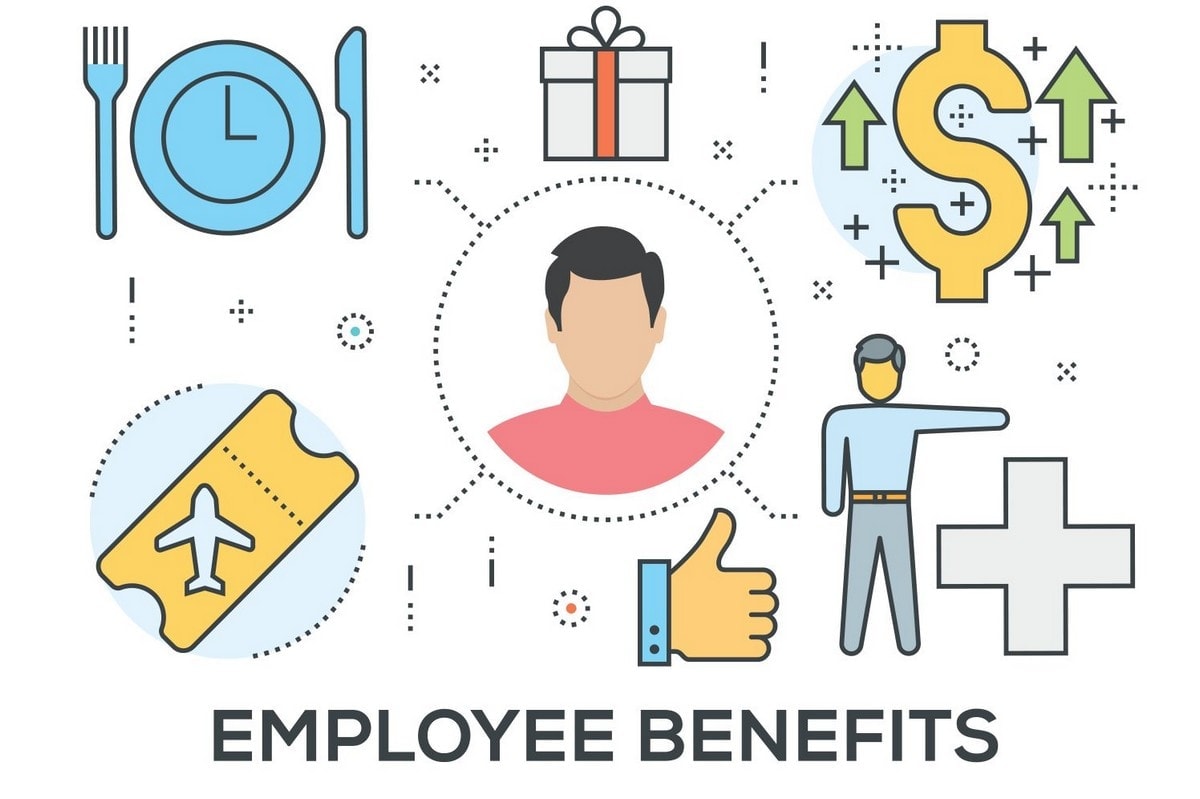
Employee benefits can be understood as the additional perks that businesses offer to their employees over and above their regular salary. Employees in a company…
What Is Employee Motivation? Importance Of Employee Motivation

Employee Motivation revolves around Initiation, Enthusiasm, Intensity, Dedication, Perseverance, and Productivity through which an organization motivates its employees to work with wholeheartedness and commitment to…
Importance of Training and Development to an Organization

Training and Development of employees is one of the most important and crucial facets of corporate firms. The management of the firms has to realize…
What is Employee Value Proposition? Definition, Concept and Examples
Want to ensure Employee Performance Optimization in your company? Looking for the best techniques to improve employee retention? Then incorporating Employee Value Proposition in your…
What is Employee discrimination? Definition, Concept & How to Avoid It

Employee discrimination, as the name suggests, is all about discrimination among the employees based on a number of factors. Though the discrimination is very much…
Beginners Guide to Employee training and development
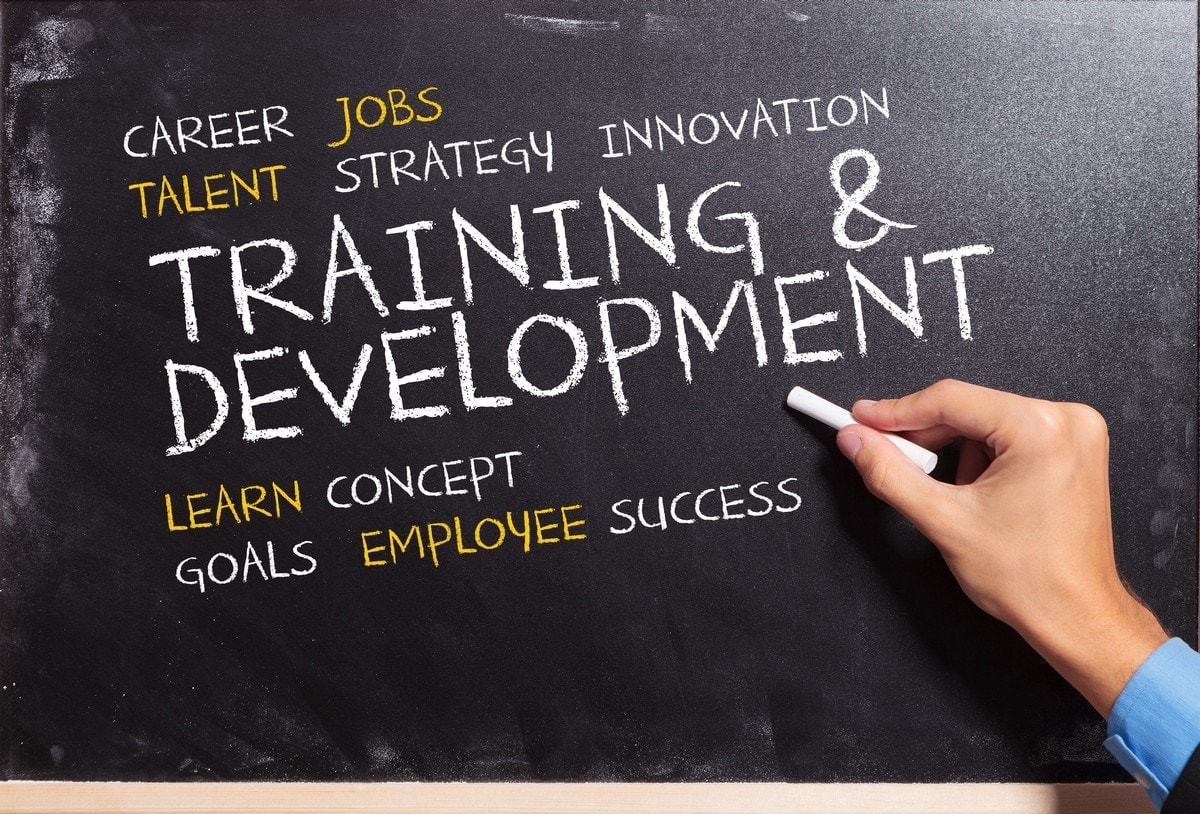
Training is a program that is conducted by the organization to help an employee to learn new skills or attain knowledge with the main focus…
How to Empower Employees? 10 Ways To Empower Employees

It is the trust between the employer and employee that leads to a fruitful professional environment and productive growth of both parties involved. A good…
10 Types of Company Culture that your Company can Adopt

Management is the basis for any and every company culture which goes down through different hierarchies. Smart managerial decisions will help you to hire smart…
Problems With Performance Appraisal

Performance appraisal is a process that needs to be undertaken meticulously if obtaining desirable results is anything to go by. Many managers conduct this kind…
What are Key Performance Indicators and their role in evaluation?
Key performance indicators or KPIs are basically success indicators that are used in evaluating the effectiveness and success of different functions within the organization. Although…
5 Important Ways | How To Improve The Work Ethics Of Your Organization

Research shows that most of the successful organizations are those that have embraced work ethics as a core element in steering them to accomplish their…
Importance Of Performance Appraisal

Performance appraisal is the evaluation of the individual performance of organizations’ employees so as to know more about the abilities in relation to growth and…
5 Reasons Employee Development Is Important To Your Company

Employee development is a joint initiative of employee as well as the employer to improve or elevate the existing skills, knowledge and abilities of an…